Weight & Shape
Weight & Shape: losing fat without losing yourself
Why your shape shifts over time, how GLP-1s like semaglutide and tirzepatide work, and the protein and strength habits that protect muscle as you lose.
For a lot of women, the first sign is a waistband. Your weight barely moves, but your shape does: softer around the middle, a little less firm everywhere else. This isn't a willpower problem. It's biology changing underneath you, and once you understand it, you can work with it.
Why your shape changes over time
Three things are usually happening at once:
- Muscle slowly declines. From around 30 we lose a few percent of muscle per decade unless we actively train it, and the loss speeds up around menopause. Less muscle means you burn a little less, and your shape gets softer even at the same weight.
- Estrogen shifts where fat goes. As estrogen falls, fat tends to move from hips and thighs to the belly, including the deeper visceral fat around your organs.
- Insulin works a little less well. The same meals can lead to higher blood sugar than they used to, which nudges your body toward storing fat. More on that in Metabolism.
What GLP-1 medicines actually do
GLP-1 is a hormone your gut releases after eating. It tells your brain you're full and slows how fast your stomach empties. Medicines such as semaglutide and tirzepatide mimic it, and tirzepatide also acts on a second hormone, GIP.
In practice, women describe the "food noise" going quiet. You still enjoy meals; you just stop thinking about the next one. In trials, average weight loss was around 15% with semaglutide and around 20% with high-dose tirzepatide, over roughly 16 months.
Common side effects are nausea, constipation or diarrhea, and fatigue, especially in the first weeks and after each dose increase. That's why doses start low and increase slowly.
The part nobody puts on the poster: muscle
When you eat much less, your body doesn't only burn fat. In several GLP-1 trial substudies, somewhere between a quarter and two-fifths of the weight lost was lean mass. For any woman who's already losing muscle with age, that matters a lot. It affects your strength, your metabolism, your bones, and even how your face and skin look after weight loss.
The good news is that you have a lot of control here.
Protein at every meal
Aim for roughly 1.2–1.6 g of protein per kg of your goal body weight per day, split across three meals. For many women that's about 25–35 g a meal: a palm-sized piece of fish or chicken, a Greek-yogurt bowl with seeds, or eggs plus cottage cheese. When appetite is low, protein comes first on the plate.
Lift something, twice a week
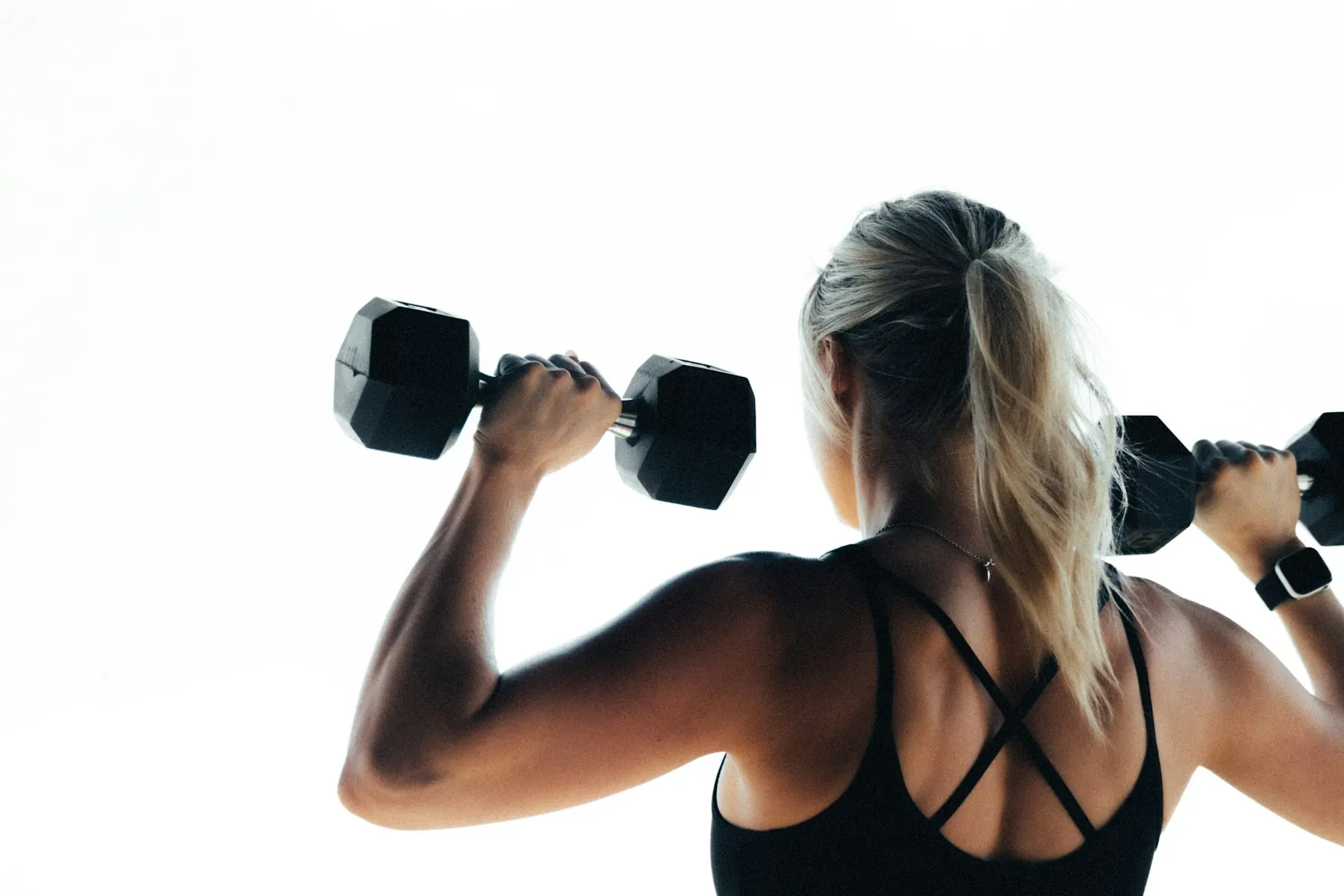
Two or three short strength sessions a week are enough to tell your body the muscle is still needed. You don't need a gym persona. Squats to a chair, rows with a band, and carrying heavy groceries all count. Progress slowly.
Lose slower than you can
Many women find that about 0.5–1% of body weight a week keeps muscle, energy and skin in better shape than the fastest possible pace. If you're losing faster than that on a GLP-1, it's worth talking to your doctor.
Free printable guide
The How to Peptide Starter Guide
Which peptides help with weight, energy, sleep, recovery and skin, how each one is used, and what to do alongside them so they work.
Skin after weight loss
Fast loss can leave skin looking looser, especially on the face, which people sometimes call "Ozempic face." Slower loss, enough protein, strength training and a sensible skin routine all help. Our "Skin & Renewal" guide covers the topical peptides and collagen research.
What about other weight peptides?
You'll see retatrutide, tesamorelin, CJC-1295, ipamorelin and others in weight-loss conversations. Briefly:
- Retatrutide is investigational. It showed very large losses in trials but isn't approved, and anything sold online isn't the trial product.
- Tesamorelin is approved for one narrow medical use (belly fat in HIV-associated lipodystrophy).
- Growth-hormone-releasing peptides like CJC-1295 and ipamorelin are popular for "protecting muscle" in stacks, but the human evidence is thin.
The "How to Peptide" guide explains how to judge any of these, and how to judge the shop selling them.
What tends to work, and what tends not to
Works: one well-chosen peptide, started low and raised slowly; protein first; two strength sessions a week; a weekly waist measurement instead of a daily weigh-in; patience through the first month.
Doesn't: crash dieting on top of a GLP-1; stacking several compounds at once; judging progress by the scale alone; stopping strength training because you're "already losing."
Frequently asked questions
How do I avoid losing muscle on semaglutide or tirzepatide?
Eat enough protein (roughly 1.2–1.6 g per kg of goal weight a day), strength train two or three times a week, and avoid losing faster than about 1% of body weight a week.
Why do women gain belly fat in midlife even without eating more?
Falling estrogen moves fat storage toward the belly, muscle loss lowers daily energy use, and insulin sensitivity drops, so the same habits produce a different shape.
Will I regain weight if I stop a GLP-1?
Many people regain a large share within a year of stopping, which is why the habits you build while on it, especially protein and strength, matter so much.